Menopause From a Metabolic Perspective: It’s Not Low Oestrogen - It’s Low Energy
One of the most common messages women hear about menopause is that everything is caused by falling oestrogen.
But from a metabolic perspective, this explanation doesn’t quite hold up.
Because many menopausal symptoms don’t look like oestrogen deficiency at all.
They look like excess oestrogen activity combined with declining metabolic energy and low progesterone.
Menopause isn’t simply about hormones going down.
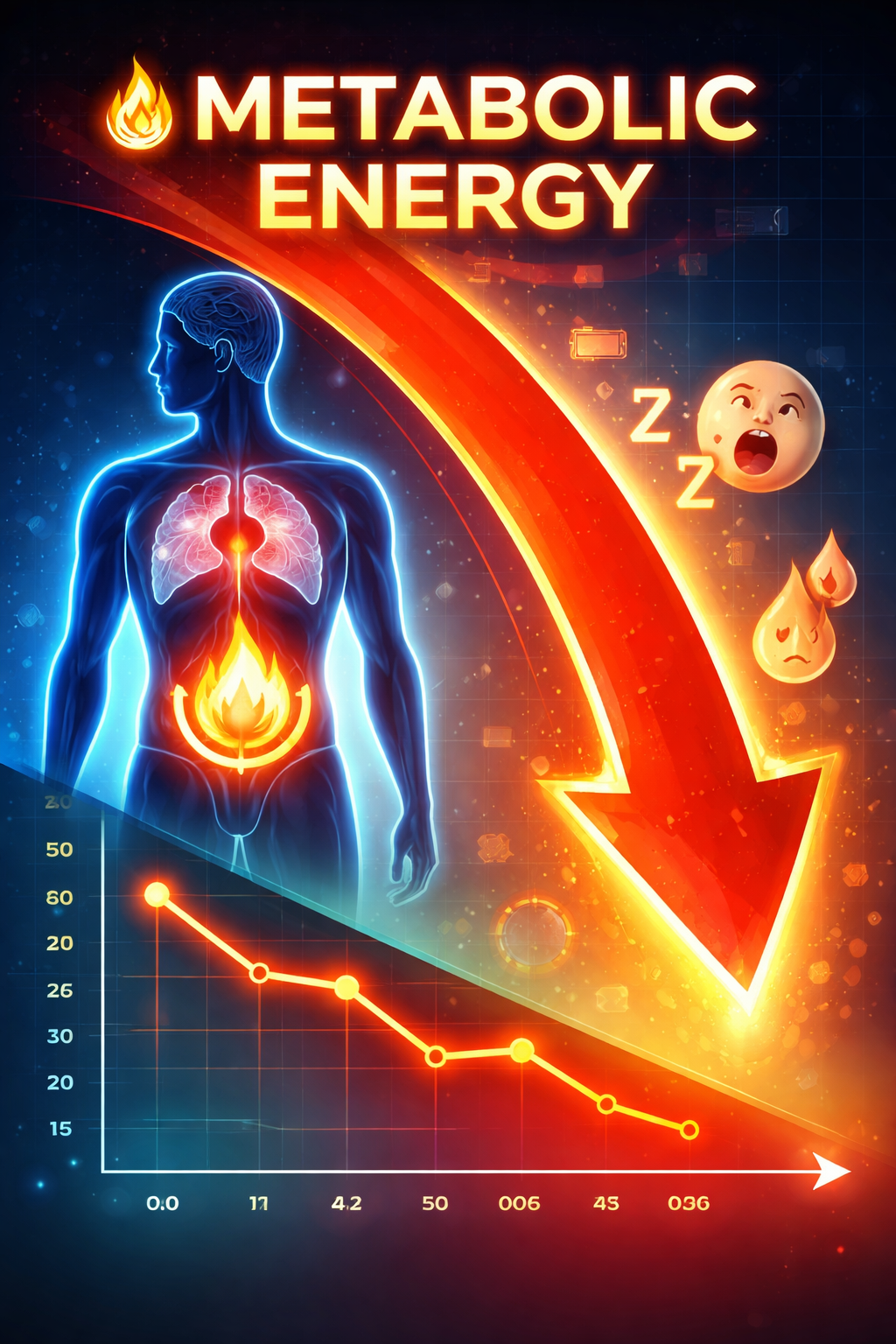
It’s about energy production going down - and stress hormones taking over.
The Real Shift in Menopause: Progesterone Falls First
In healthy reproductive years, progesterone acts as a protective, anti-stress hormone. It:
Supports oxidative metabolism (efficient energy production)
Calms the nervous system
Protects skin structure
Opposes excess oestrogen
Reduces inflammation and water retention
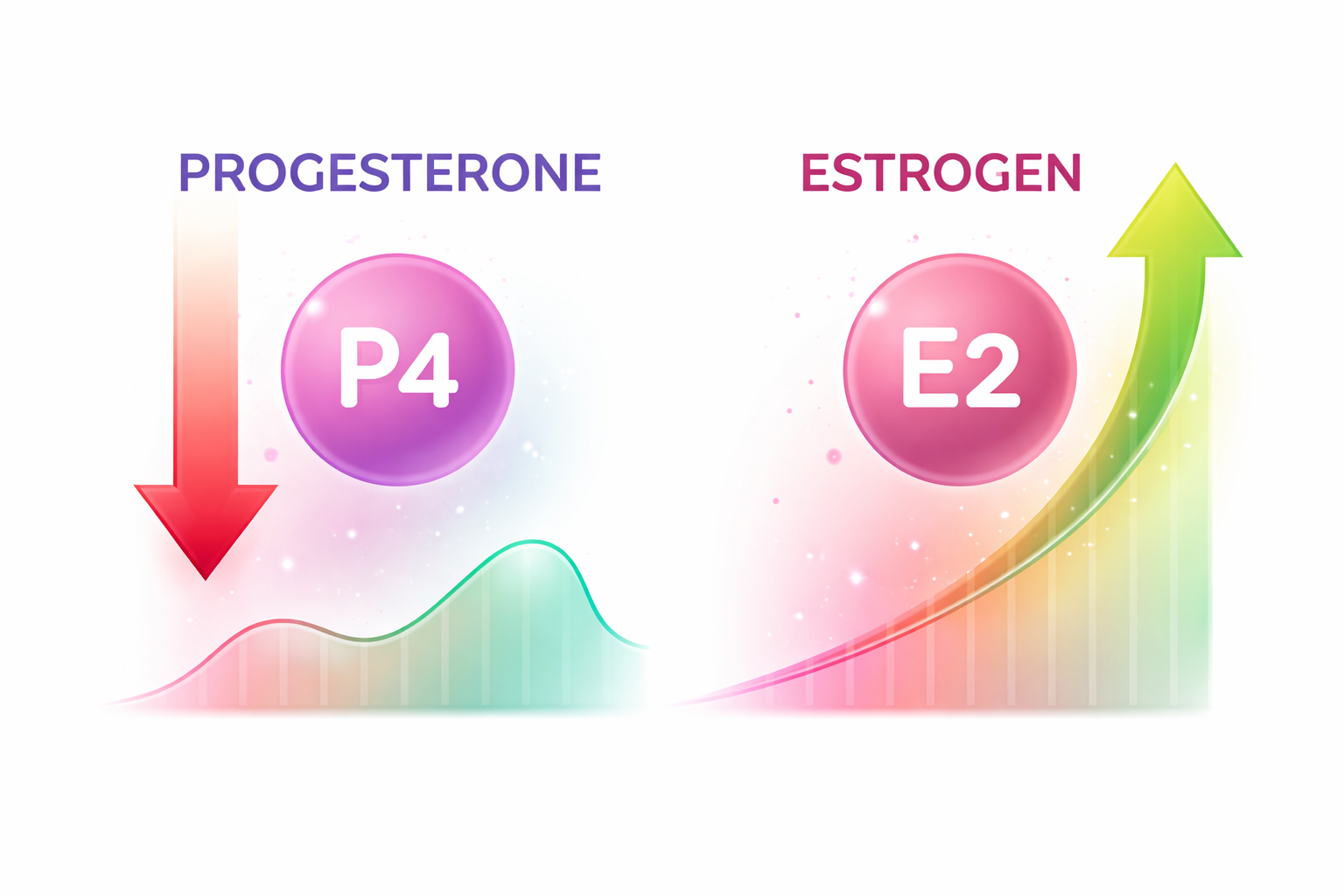
As women enter perimenopause, progesterone production declines long before oestrogen disappears.
This creates a state of relative oestrogen dominance, not because oestrogen is necessarily high (although it usually is, especially in the tissues, even if blood estrogen is low), but because it is poorly opposed.
At the same time, metabolic rate begins to slow.
This combination changes everything.
Oestrogen Is a Stress Hormone When Metabolism Is Low
In a well-fueled, high-energy body, oestrogen has context.
But when metabolism slows, oestrogen becomes more problematic because it:
Increases water retention and tissue swelling
Promotes inflammation
Raises prolactin
Suppresses thyroid function
Increases histamine release
Encourages fat storage rather than oxidation
Without enough progesterone and metabolic energy, oestrogen amplifies stress rather than growth.
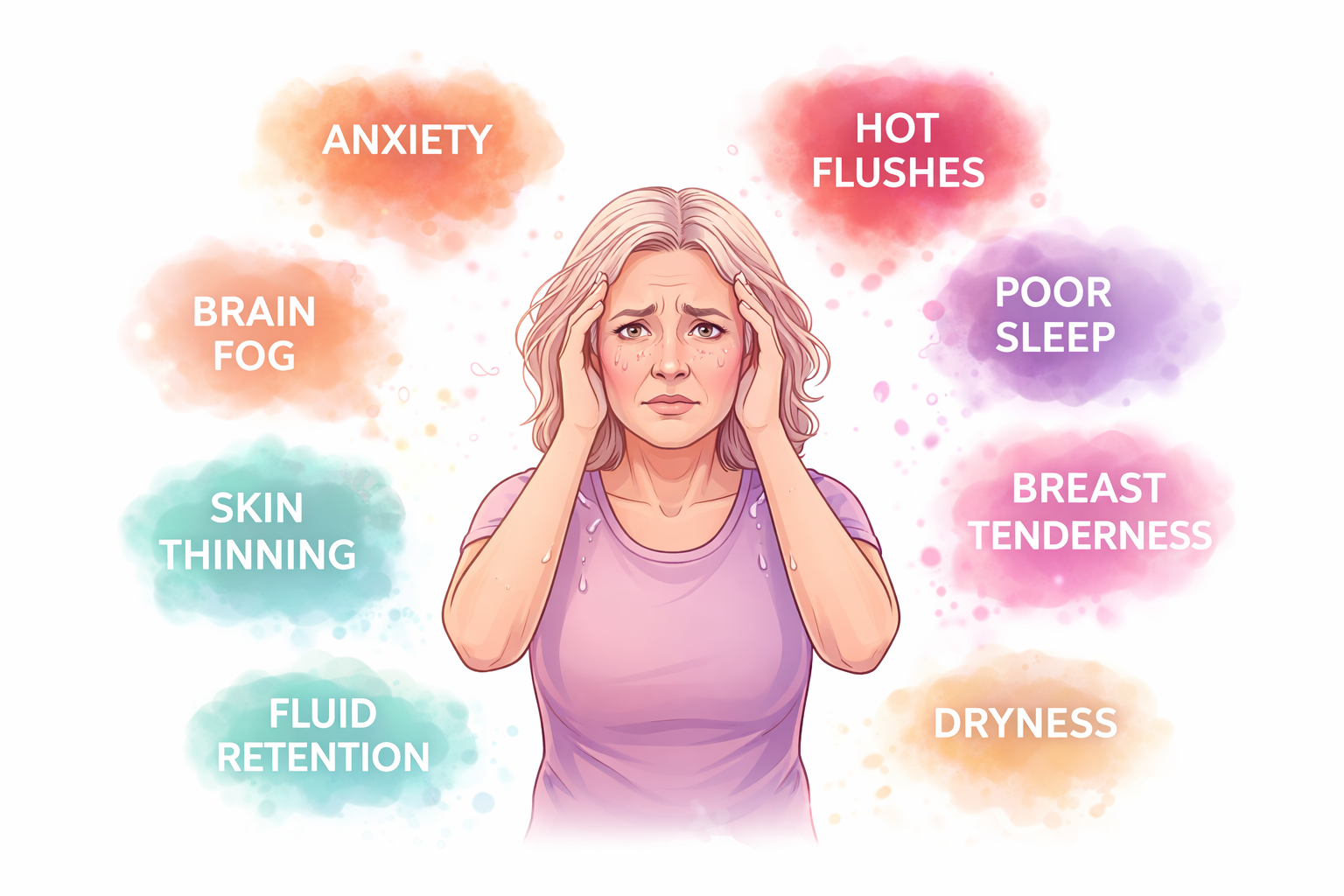
This is why menopausal women often experience:
Hot flushes
Anxiety
Poor sleep
Breast tenderness
Fluid retention
Brain fog
Skin thinning and dryness
These are stress symptoms, not deficiency symptoms.
Why Stress Hormones Rise in Menopause
When oxidative metabolism becomes inefficient, the body turns to emergency systems.
That means:
Higher cortisol
More adrenaline
Greater reliance on fat breakdown rather than glucose use
These hormones keep blood sugar available - but at a cost.
Chronically elevated stress hormones:
Break down collagen
Thin the skin
Slow wound healing
Increase dryness and irritation
Accelerate ageing
Menopause often feels harsh because the body is running on stress metabolism instead of energy metabolism.
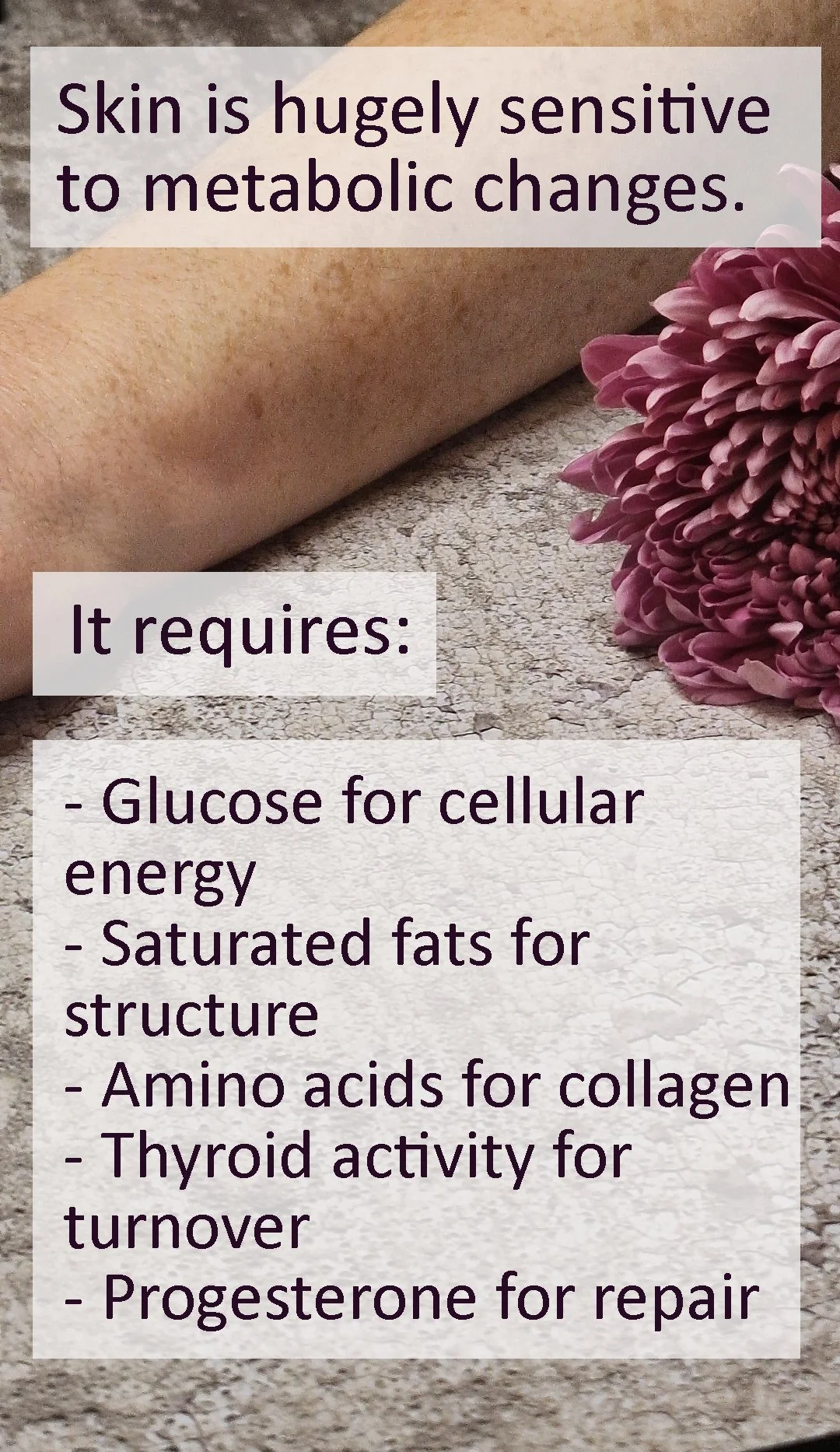
A stress metabolism will show up on your skin.
Skin Is One of the First Places This Shows Up
Skin is highly sensitive to metabolic changes.
It requires:
Glucose for cellular energy
Saturated fats for structure
Amino acids for collagen
Thyroid activity for turnover
Progesterone for repair
When stress hormones rise and metabolism slows, skin becomes:
Dry
Fragile
Tight
Easily inflamed
Slow to heal
No amount of “anti-ageing actives” can override a stressed metabolic state.
PUFA: Fuel That Slows the System Further
Polyunsaturated fatty acids (PUFA), abundant in seed oils and many skincare products, are particularly damaging in menopause.
From a metabolic perspective, PUFA:
Suppress mitochondrial respiration
Increase lipid peroxidation
Increase oestrogenic signalling
Interfere with skin barrier repair
Prolong inflammation
When metabolism is already under pressure, PUFA makes cells less efficient and more reactive.
This matters both internally and topically.
Skin absorbs what you put on it - and menopausal skin absorbs more than ever.
What Actually Helps: Supporting Energy, Not Fighting Age
The goal in menopause isn’t to “replace hormones” or stimulate the skin aggressively.
It’s to restore metabolic efficiency and reduce stress.

1. Eat Enough Carbohydrates
Glucose supports thyroid function and reduces cortisol.
Fruit, honey, and well-cooked roots help:
Improve skin hydration
Stabilise mood
Improve sleep
Lower stress hormones
2. Balance Protein With Gelatin
Muscle meats alone are stimulating and inflammatory.
Gelatin provides glycine - which:
Calms the nervous system
Supports collagen production
Opposes cortisol
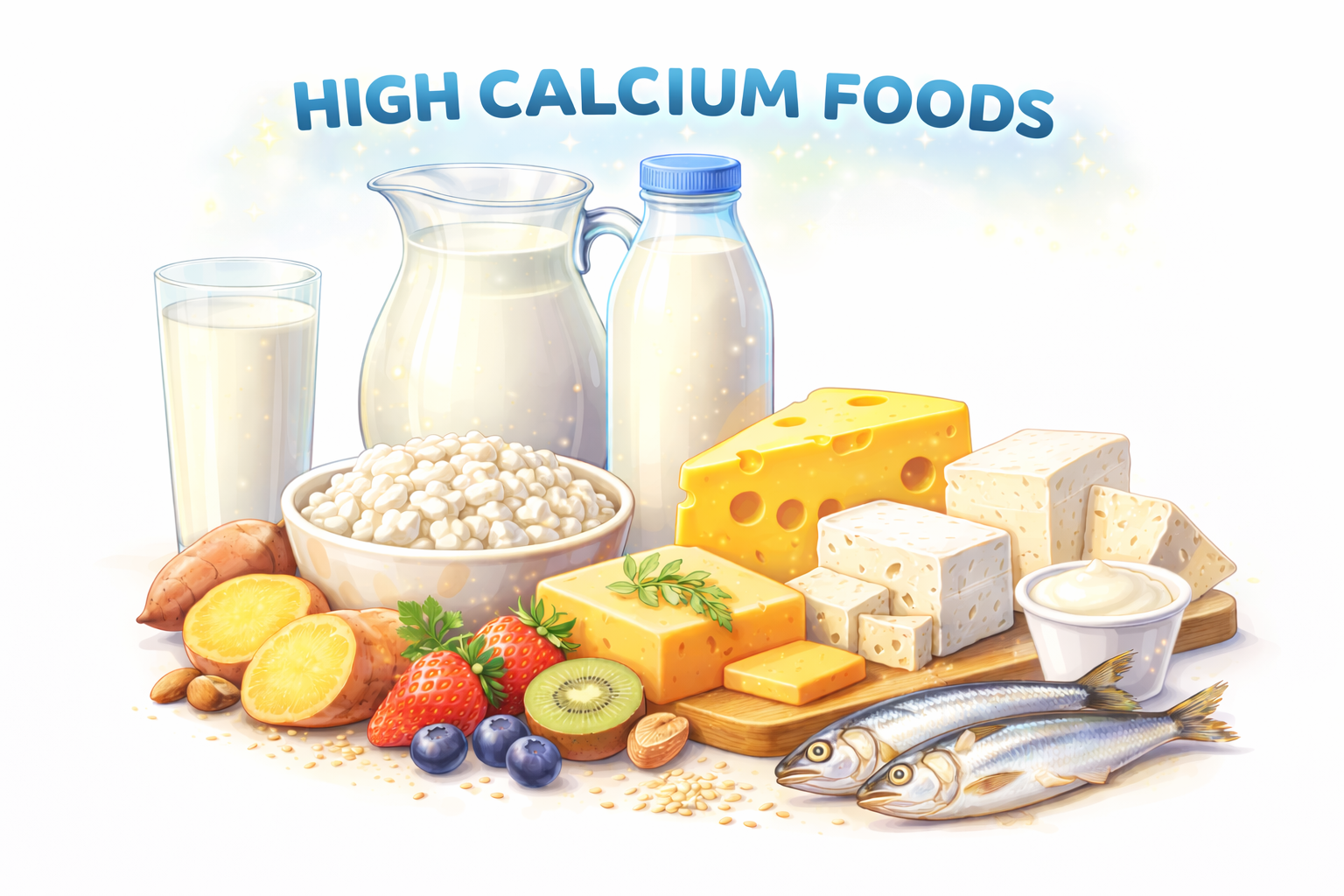
3. Support Calcium & Minerals
Calcium reduces parathyroid hormone and stress signalling.
It supports:
Hormonal balance
Nerve stability
Skin barrier integrity
4. Reduce PUFA Aggressively
This is one of the most powerful levers.
Lower PUFA:
Improves mitochondrial function
Reduces inflammatory signalling
Makes hormones less volatile
5. Use Skin-Identical Fats Topically
Skin thrives on fats it recognises.
Saturated butters and animal-derived lipids support barrier repair without oxidative stress - unlike seed oils and synthetics.
Why Gentle, Metabolically Aligned Skincare Works Better in Menopause
Menopausal skin doesn’t need more stimulation.
It needs less stress.
When skincare supports barrier integrity and reduces inflammatory load, skin can finally repair.
This is why many women notice:
Better softness with less product
Reduced itching and reactivity
Improved resilience over time
It’s not about forcing change - it’s about allowing recovery.
The Bigger Picture
Menopause is not a failure of your body.
It’s a phase where:
Progesterone falls
Metabolism slows
Stress hormones rise
Oestrogen becomes more inflammatory
When you support energy production, reduce PUFA, and lower stress - many symptoms soften naturally.
Your body isn’t broken.
It’s asking for different inputs.
Supporting Skin From the Inside Out
This metabolic approach is why I also focus on internal nourishment alongside topical care.
When you sign up to my website, you’ll receive a free gelatin recipe ebook - designed to support collagen production, calm stress hormones, and gently nourish menopausal skin from within.
It’s a simple, practical place to start 💗